

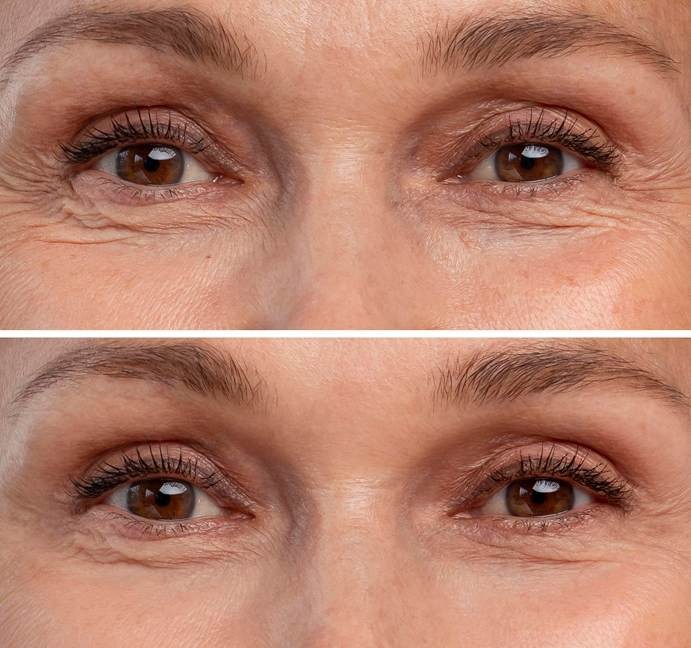
From Anti-Aging to Reverse Aging: A New Perspective on Longevity
For decades, anti-aging has focused largely on slowing down or managing the visible signs of aging. Fine lines, wrinkles, loss of skin elasticity and changes in skin appearance are often the most noticeable reminders of getting older. As our understanding of aging has expanded, researchers have begun looking beyond what happens on the surface and examining the biological processes that drive aging at the cellular level.
Aging is not caused by a single factor. It involves a combination of processes including accumulated DNA damage, oxidative stress, cellular senescence, mitochondrial dysfunction, chronic inflammation and declining regenerative capacity. Over time, these changes can affect how efficiently cells repair themselves, communicate and maintain normal function.
This has shifted the conversation from simply “fighting the signs of aging” toward “reversing aging.”
The Rise of Reverse Aging
The concept of reverse aging takes the conversation one step further. Rather than only preventing or slowing age-related deterioration, reverse-aging research explores whether some biological changes associated with aging could potentially be restored, repaired or partially reversed.
At the cellular level, this could mean supporting mechanisms involved in DNA repair, cellular regeneration, tissue repair and restoration of cellular function.
It is important to note that “reverse aging” does not mean literally turning back a person’s chronological age. Instead, it is a concept within longevity research that looks at whether certain biological aspects of aging may be modifiable.
HIF1STEM: The Approach to the Biology of Aging:
- Derived from olive leaf extract
- Supports stem-cell vitalisation by regulating Hypoxia Inducible Factor-1 (HIF-1) levels
- Increase in HIF-1 level is considered to promote stem cell proliferation and differentiation
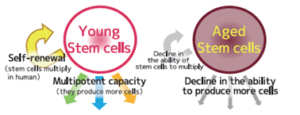
- Promotes reverse ageing at the stem-cell level
HIF1Stem takes a different approach by focusing on the body’s cellular regeneration and adaptation pathways. It is designed around the HIF-1 pathway, which is involved in cellular responses to oxygen availability and plays a role in processes related to tissue repair, regeneration, and cellular resilience.
What is HIF-1?
HIF-1 is a remarkable biologically active protein discovered in the research “discovering how cells sense and adapt to oxygen availability,” which was awarded the 2019 Nobel prize.
An increase in HIF-1 is considered to promote stem cell proliferation and differentiation, typically in a hypoxic environment.
HIF1STEM has been confirmed to increase HIF-1 and be effective in vitalizing stem cells even in a non-hypoxic environment.
Contact us to know more on HIF1STEM.
-
Previous Post
AC-11: Rethink Ageing, Explore Reverse Ageing
Related Posts
October 5, 2026
AC-11: Rethink Ageing, Explore Reverse Ageing
AC-11: Rethink Ageing, Explore Reverse Ageing. What if we stopped asking how to slow ageing…

October 1, 2026
Understanding Aging: The Search for Better Cellular Support
Understanding Aging: The Search for Better Cellular Support Aging is a natural process that…
September 2, 2026
HYACOLL® Platinum+: A comprehensive Collagen Solution for Joint & Skin health
HYACOLL® Platinum+: A comprehensive Collagen Solution for Joint & Skin health As consumers become…

July 17, 2026
Why L-Ergothioneine (EGT) Is the Next Big Longevity Ingredient?
The healthy aging market is evolving rapidly, and consumers are constantly looking for the…

